
TSPS Category 5 – Registered Professional Land Surveyor
Construction Staking & Land Development
On-the-ground precision — turning site plans for builders, contractors, and developers into precise field markers across North & East Texas.
Licensed in Texas · Same-week Field Visits · GPS + Total Station
What is Construction Staking?
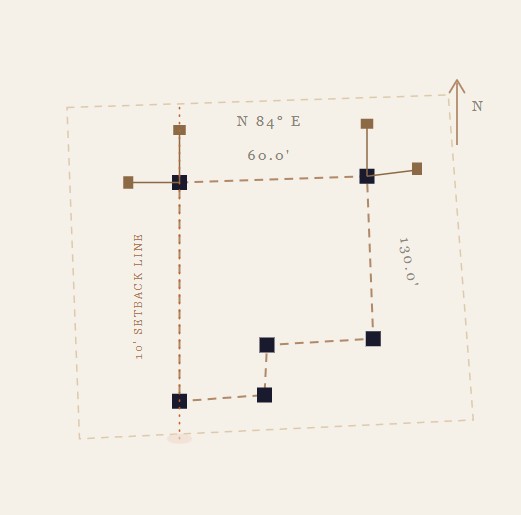
Construction staking, also called “site layout surveying”, is the process of translating your site plans and civil drawings into physical reference points on the ground — so your contractors know exactly where to dig, pour, and build.
A licensed surveyor interprets your approved plans and set stakes marking building corners, slab edges, roadways, utilities, and drainage structures before work begins. For land development projects, this same process extends across the entire site — supporting everything from initial grading to final lot corners on a new subdivision.
It’s the step that turns an engineered drawing into a buildable site, and it’s why accurate staking upfront saves contractors from costly rework later.
What’s Included?
Building & Site Layout Staking
We stake building corners, slab edges, and site improvements directly from your approved construction plans — ready for your crews before they mobilize.
Grading & Utility Staking
Grade stakes, offset stakes, and utility line staking for water, sewer, and storm drainage — keeping earthwork and trade crews on plan.
Land Development Staking
From road centerlines to lot corners, we support subdivision and site development projects from rough grading through final lot layout.
Field Verification & As-builts
We verify staking accuracy throughout construction and can provide as-built documentation once improvements are in place.
Why Construction Staking Matters
Construction staking turns engineering plans into real, physical points on the ground, so your build follows the design exactly. Even a small layout error on paper can lead to thousands of dollars in mistakes once construction begins. That’s why accurate staking helps foundations, utilities, and roads go in the right place the first time, avoiding costly rework down the line.
Beyond accuracy, staking also keeps your project compliant. Cities require projects to match approved site plans, and proper staking helps you pass inspections and avoid delays. Without it, misplaced foundations or utilities can stall a project or even lead to legal disputes.
Staking also makes life easier on site. With clear stakes in place, contractors don’t have to guess, which saves time, labor, and stress throughout the build. It also keeps architects, engineers, and contractors working from the same reference points, so everyone stays aligned from start to finish.
Every stake set on your property also confirms compliance with zoning setbacks, boundaries, and grading requirements. In the end, skipping staking to save money almost always costs more later, whether that’s rework, failed inspections, or legal headaches.
How It Works
- Plan Review — We start by reviewing your architectural, structural, and engineering plans to understand exactly what needs to be marked on-site.
- Rough Grade Staking — Early on, we mark the general layout of the site, including building outlines, roads, and parking areas. This gives grading crews the reference points they need to prepare the land.
- Site Layout Staking — Once the site passes inspection, we move into precise staking. This includes underground utilities first, like water and sewer lines, followed by above-ground features like building corners, curbs, and drainage structures.
- Field Measurement — Using GPS, robotic total stations, and CAD-integrated layout tools, we translate your design plans into exact points and elevations on the ground.
- Verification and Support — Throughout construction, we compare staked points against the approved plans and stay available to adjust stakes as the project evolves.
What We Stake
We provide construction staking for both residential and commercial projects, marking the elements your contractor needs to build with confidence:
- Building Corners & Foundations — We mark the exact spot where your structure should sit.
- Utility Lines — We stake water, sewer, and electrical lines before digging starts.
- Driveways & Paving — We lay out driveways, parking areas, and roads.
- Drainage Structures — We mark points to guide proper drainage.
- Site Improvements — We stake light poles, piers, curbs, and other site features.
- Rough Grade & Elevation Points — We set early reference points for grading and earthwork.
When You Need Construction Staking
You need staking before most building projects start. Here’s when to call us:
- Before You Break Ground — Staking comes first. It gives your crew clear points to work from.
- Before Utility Work — Water, sewer, and electrical lines need stakes before digging starts.
- Before You Pour a Foundation — Building corners must be staked first. Foundation mistakes cost the most to fix.
- During Large Commercial Builds — Big projects often need staking more than once, at different stages.
- When You Start a New Home or Subdivision — Staking helps keep your build on track from start to finish.
Areas We Serve
From Sulphur Springs to Dallas-Fort Worth, we handle Land Title Surveys across North and East Texas — including Greenville, Farmersville, Midlothian, Weatherford, and dozens of communities in between. Don’t see your city listed? Give us a call — there’s a good chance we already work in your area.
- Sulphur Springs, TX
- Mt. Pleasant, TX
- Hagansport, TX
- Greenville, TX
- Caddo Mills, TX
- Farmersville, TX
- Princeton, TX
- Royse City, TX
- Melissa, TX
- Anna, TX
- Van Alstyne, TX
- Dallas-Fort Worth, TX
- Midlothian, TX
- Ennis, TX
- Weatherford, TX
- Cleburne, TX
- Waxahachie, TX
- Terrell, TX
- Forney, TX
- Kaufman, TX
- Rockwall, TX
- Denton, TX